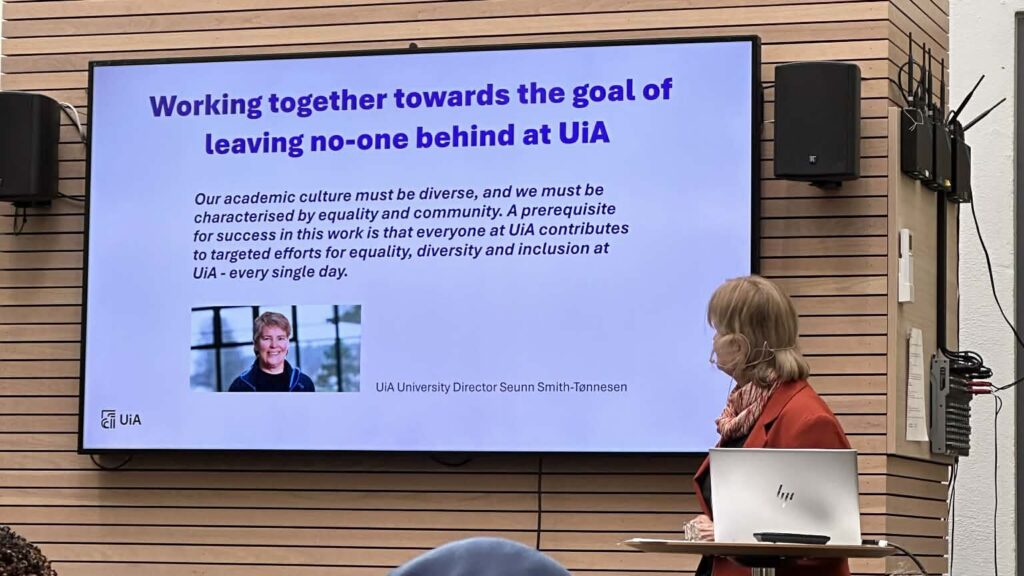
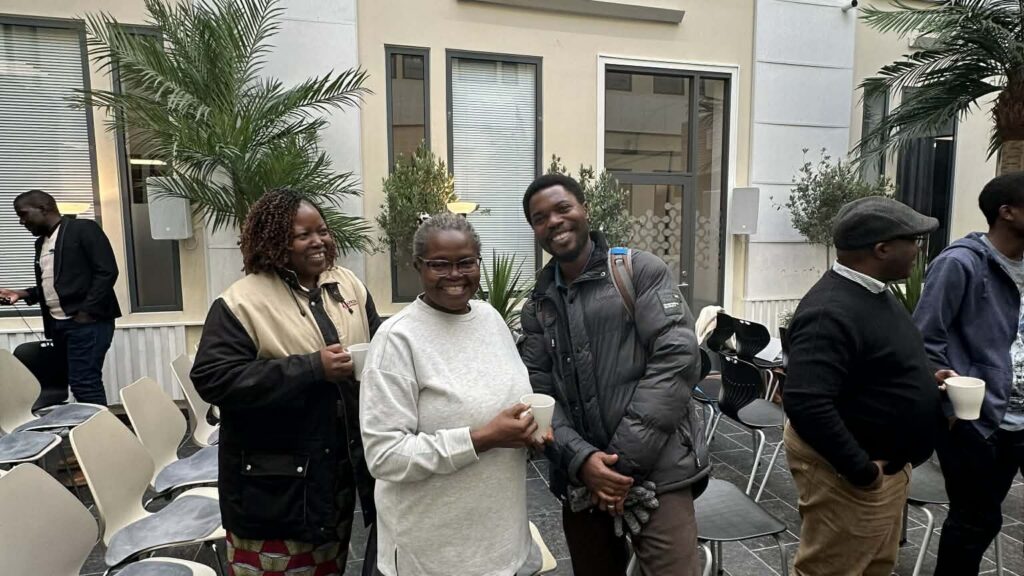
Academic institutions often proclaim commitments to diversity and inclusion, yet everyday cultures and practices can continue to privilege able-bodied norms and perfectionism. The Sustainable Development Agenda’s promise to “leave no one behind” places disability rights and inclusion at the heart of institutional responsibility. The GENDIG seminar held on the 15th of October 2024 in Kristiansand, Norway and part of the Gender and Digitalization project explored how higher education can move from rhetoric to practice so that access, belonging, and meaningful participation are real for all students and staff.
Seminar focus and questions
The one-day event at Bølgen Bærekraftssenter in Kristiansand addressed questions such as:
- How should we define and understand “disability” and “inclusion” within the academy?
- What practical steps are institutions taking to foster inclusion for students and staff?
- What are the main challenges and opportunities, including cultural and religious dimensions, intersectionality, and whether issues are framed as individual problems versus societal responsibilities?
- How can digitalization be leveraged as a tool for inclusion?
Speakers and programme
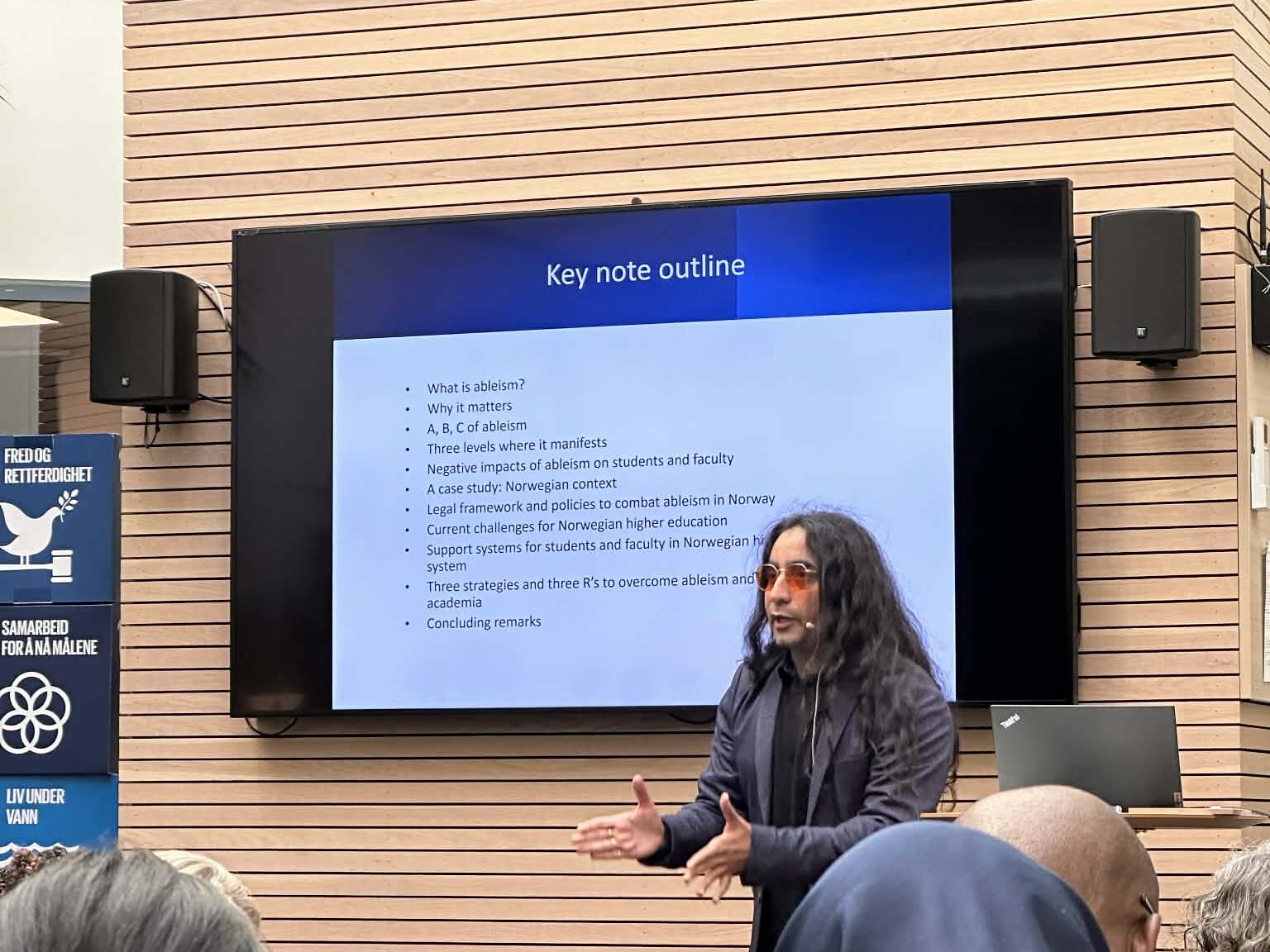
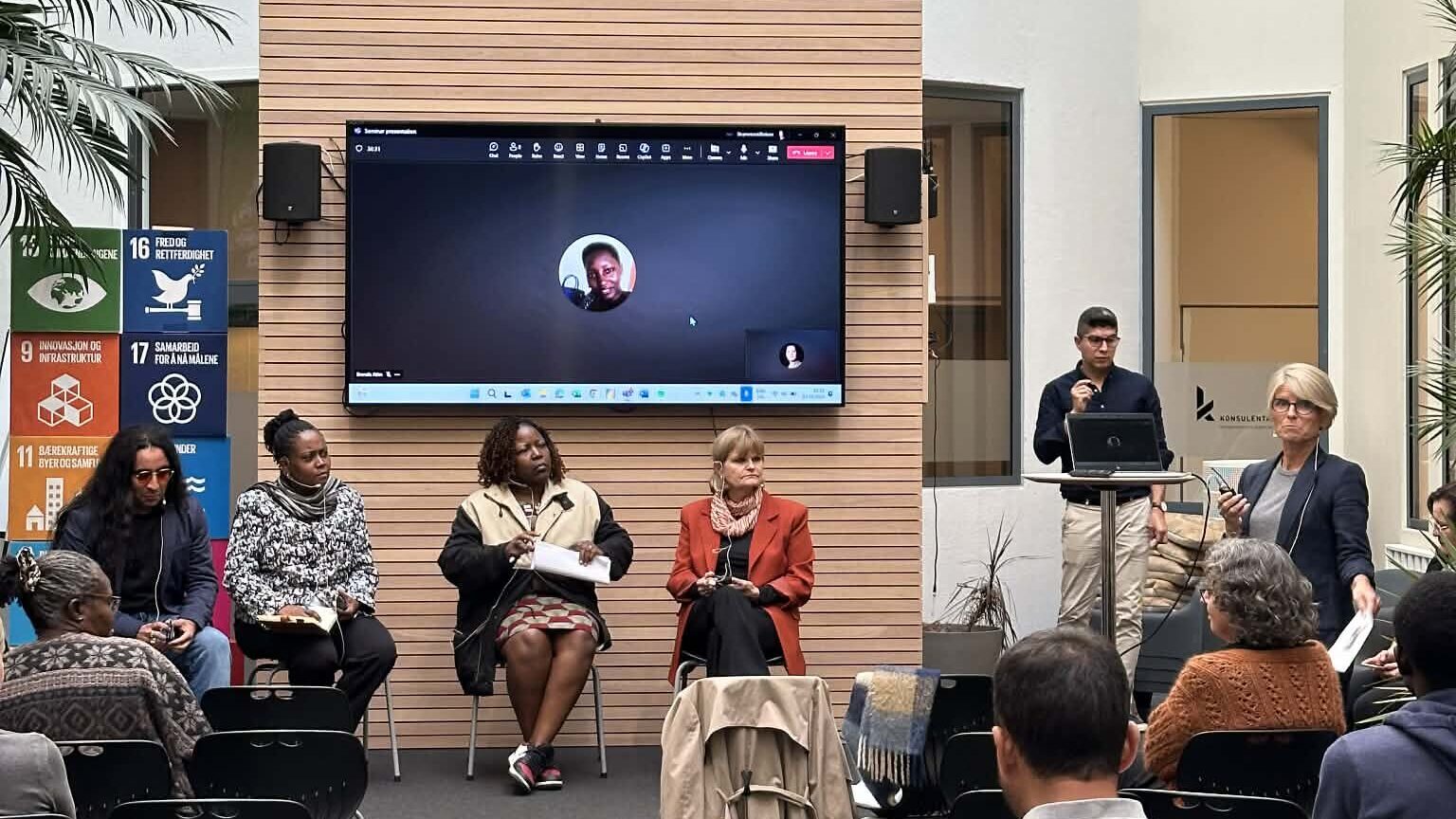
Associate Professor Gagan Chhabra (University of Inland Norway) delivered the keynote, offering a critical examination of ableism in higher education. Examples of challenges and inclusive practices from GENDIG partner universities were presented by Dr Ruth Nsibirano (Makerere University), Dr Lulu Mahai (UDSM), and Magret Kristin Dyrholm (senior advisor, UiA). Celeste De la Huerta from the Strømme Foundation Together spoke about teacher training and inclusive education in Uganda. The day concluded with a panel discussion chaired by Associate Professor Hanne Haaland. The workshop was well attended, including students from the Bachelor programme in Global Development and the Master’s programme in Global Development, Crisis and Change.
Key themes and takeaways
- Context matters: cross-institutional learning is vital, but strategies that work in one country or institution often require adaptation to local cultural, legal, and economic realities.
- Digitalization is double-edged: well-designed digital tools can remove barriers, but technology can reproduce exclusion when accessibility is an afterthought.
- Move from reactive to proactive design: institutions should shift from individual accommodations toward universal design across curricula, assessments, and physical and digital spaces.
- Mainstream disability and inclusion: these topics should be embedded throughout curricula and institutional policies, not confined to isolated trainings.
- Involve lived experience: students and staff with lived experience of disability must participate in policy-making and design decisions.
- Monitor and resource inclusion: develop metrics, accountability structures, and dedicated resources so inclusion is tracked, reported, and supported.
- Invest in support: accessible digital platforms must be paired with training and technical support for staff and students.
Conclusion
The seminar highlighted that achieving meaningful inclusion in higher education requires sustained institutional commitment, thoughtful adaptation to local contexts, and the involvement of those with lived experience. Digitalization offers significant promise, but only when accessibility and inclusion are central to design and implementation. The GENDIG seminar provided a practical forum for exchanging ideas and reinforced the need for proactive, well-resourced strategies to ensure no one is left behind. The topic is highly relevant and with a need for continued research and focus on good practice.