Our upcoming conference at Makerere November 17th- 18th 2026: (Re)imagining Gender in the Digital Age: Opportunities and Transformations in Higher Education

As digital technology continues to reshape every facet of our lives, it is critical to explore how these transformations intersect with gender dynamics—especially within higher education. The conference invites scholars, researchers, and practitioners from around the globe to engage in meaningful dialogue on how digitalization influences gender equity, inclusion, and social justice in academic contexts.

The GENDIG 2026 Conference will serve as a platform to critically examine both opportunities and challenges presented by digital technologies and artificial intelligence, focusing on their gendered impacts within universities and broader societies. The event also marks the conclusion of the five-year GENDIG collaboration among Makerere University, University of Dar es Salaam, and University of Agder, funded by the Norwegian Agency for Development Cooperation (Norad).


Key Themes and Sub-Themes
Participants are invited to submit papers related to any of the following five thematic areas:

Sub Theme One: Gender, Digitalisation in Higher education Over the past decade, higher education has rapidly digitised, driven by online learning and expanding use of technology across teaching, research, and administration. While often framed as innovative and inclusive, the gendered implications of digital transformation remain underexplored, especially in African and Global South contexts. This sub-theme examines how digital tools, platforms, and artificial intelligence reshape access, participation, equity, and inclusion. It asks who benefits and who is left behind, and whether digital systems reinforce or challenge inequalities. Contributions are invited that critically engage digital change alongside gender justice, ethics, and institutional transformation to ensure inclusive and equitable outcomes.

Sub Theme Two: Inequality and Inclusion in Higher Education The commitment of inclusion is central to the SDGs, emphasising a focus on “leave no one behind”. Against this backdrop, how can we widen the participation of historically underrepresented students in the university? What measures can be taken to ensure equitable and inclusive practices within our academic institutions? Is digital technology a means to ensure wider participation or can it marginalize or exclude students? Which mechanisms of exclusion and inclusion are at work in higher education and how does gender, class, race, ability, socio-economic status and other intersecting categories affect inclusion and exclusion? In this sub theme we welcome papers that explore intersectionality, inclusion and exclusion of marginalised groups in higher education, including case studies and best practices.

Sub Theme Three: Gender, Digital Technology and Civil Society This sub theme focuses on implementation of a model where the University works with Civil society organisations to promote understanding of gender, while co-creating strategies that promote gender equality in society, as well as open opportunities for collaboration and mutual learning. Students’ internship is supported to enhance university engagement with civil society, as stakeholders, to enhance students’ knowledge transfer for increased work relevance and employability. In this sub theme, we welcome papers that explore the mutually beneficial and impactful collaborations between Universities and civil society organisations.

Sub Theme Four: Contemporary Issues in Gender Studies across Context This sub theme engages with the diverse and evolving realities that shape gender relations and identities in contemporary societies. Examination of cross-cutting issues such as gender inequality, gender-based violence, and the intersectional nature of power across sociocultural, political, and economic contexts offer comparative perspectives that highlight how gender is continually redefined with changing realities. Contributors are encouraged to explore how gender is experienced, negotiated, and contested amid changing global and local dynamics. This interdisciplinary sub theme seeks to deepen our understanding of current issues of gender in varied contexts.

Sub Theme Five: Gendered Impacts of Artificial Intelligence Technology Artificial Intelligence (AI) is rapidly transforming higher education, labour markets, governance, and everyday life. Yet AI systems are not neutral; they are shaped by social, cultural and political contexts that may reproduce or challenge existing gender inequalities. This sub-theme invites critical and interdisciplinary perspectives on the gendered implications of AI across different contexts. We welcome contributions that examine issues such as algorithmic bias, data representation, digital labour, surveillance, AI in teaching and learning, and unequal access to emerging technologies. How does AI influence inclusion and exclusion? Whose knowledge and values are embedded in AI systems? How can gender competence inform more ethical and socially responsible AI design and governance? In line with GENDIG’s intersectional and comparative approach, we encourage empirical and practice-oriented studies that explore how AI can either deepen inequalities or contribute to more gender-just and inclusive futures.


Why Participate?

The conference offers a unique opportunity to contribute original research, exchange ideas with leading experts, and influence policy and practice on gender and digitalization. Accepted papers will be considered for publication in the Makerere Gender and Development Journal, a peer-reviewed academic journal.

Submission Details
Abstract Deadline: April 30, 2026
Notification of Acceptance: May 12, 2026
Full Paper Submission: September 9, 2026
Submit abstracts (max 250 words) outlining your research question, methodology, key findings, and contribution to gender and digitalization scholarship in higher education.

Send submissions to:

ruth.nsibirano@mak.ac.ug
with copies to Mahai.lulu@udsm.ac.tz / lulusimon3@gmail.com and arnhild.leer-helgesen@uia.no
For more information and updates, please visit the official conference page:
https://igds.mak.ac.ug/events

Join us as we (re)imagine the future of gender, technology, and education in an increasingly digital world. Together, let’s explore innovative pathways toward more equitable and inclusive higher education systems.
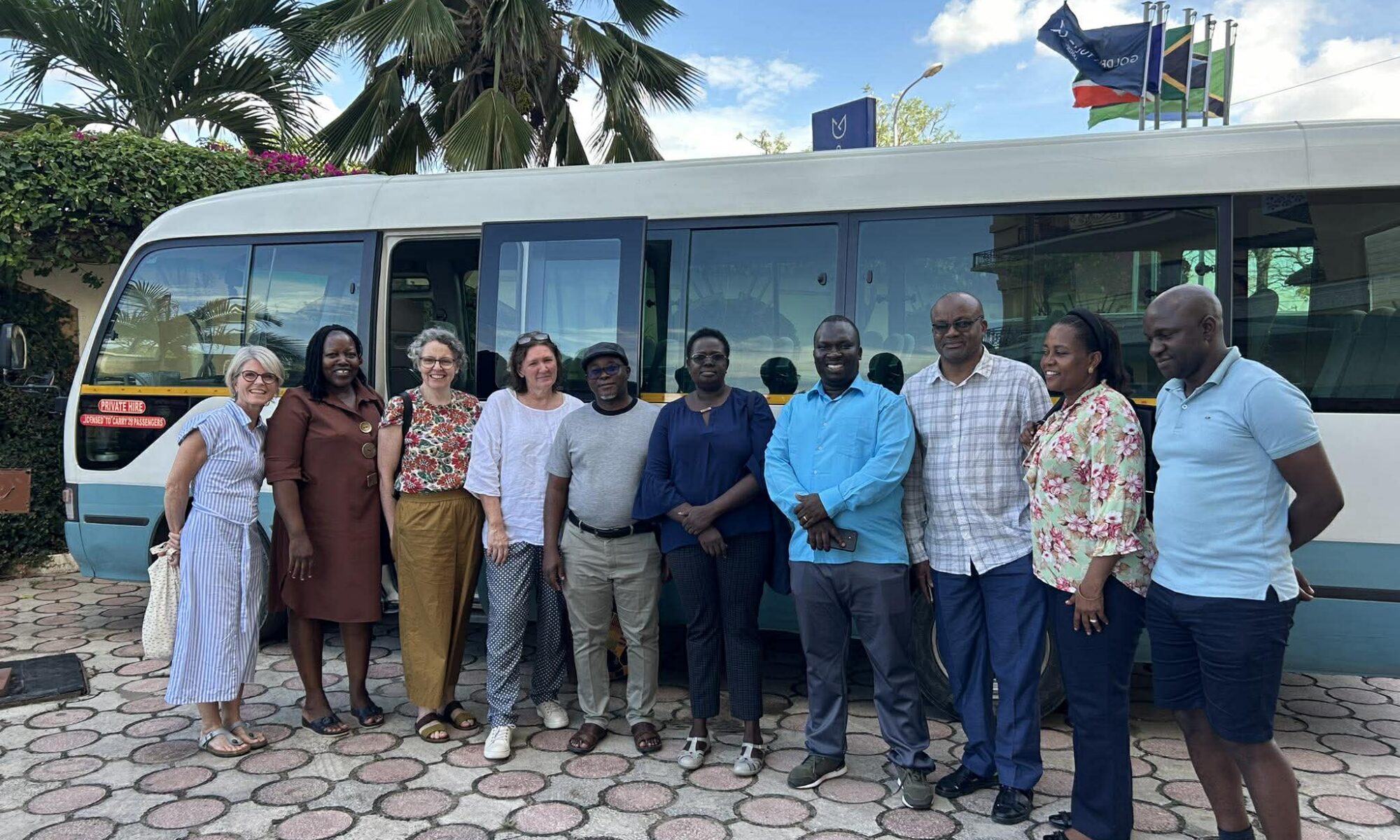
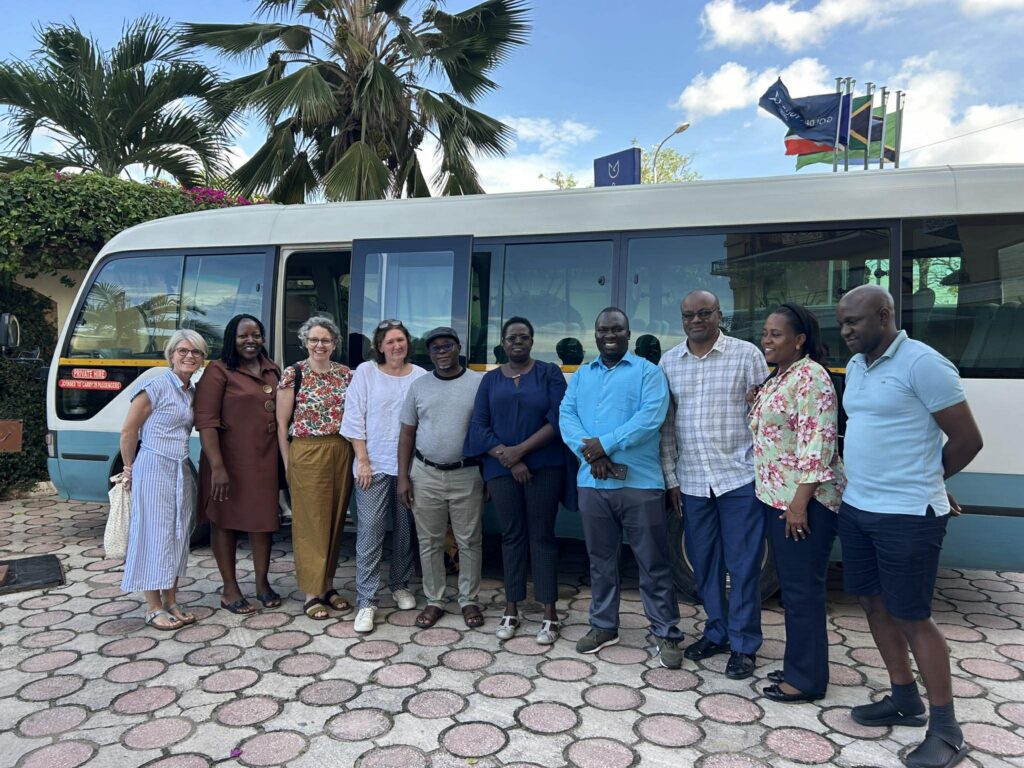
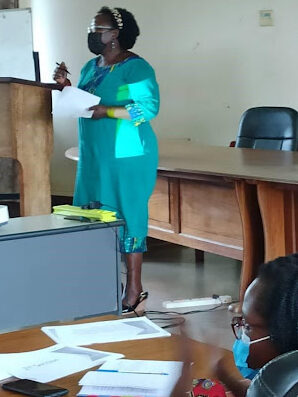
GENDIG workshop in Zanzibar, March 1st to 4th :

GENDIG team in Zanzibar

Review, reflection and planning

The Gender and Digitalisation across Contexts (GENDIG) project, funded by NORAD, is now in its final year. Launched in 2021, the GENDIG project has developed a programme of teaching, research and exchange across partner institutions and countries, with an emphasis on comparative and context-sensitive approaches to gender and digitalisation.

Throughout the project, we have prioritised in-person collaboration alongside digital engagement. Project partners have met at partner campuses to deepen institutional links and strengthen joint teaching and research activities. In late February 2026 the UiA team first convened at the University of Dar es Salaam (UDSM) where we engaged with new and old colleagues from both the Institute of Gender Studies and the Institute of Development Studies and discussed ongoing student and staff exchange initiatives between the University of Agder (UiA) and UDSM that extend beyond the scope of GENDIG. We then proceeded to Zanzibar to meet up with the Ugandan and Tanzanian teams for a three-day workshop. This is the second time that the full GENDIG team meets in Tanzania; the previous meeting was in the fall of 2023.

The workshop had two primary objectives:

  • To review the project’s progress from 2021–2026 and consolidate outcomes for dissemination; and
  • To identify gaps and plan future collaboration, including a proposal in response to the anticipated NORHED III call (expected to be out during summer 2026).

Workshop outputs included:

  • An agreed structure and preliminary call for the final GENDIG conference, to be held in November 2026.
  • A refined list of thematic priorities for continued collaboration, informed by comparative reflections on how digitalisation shapes gendered experiences across different locations.
  • Concrete next steps for preparing a NORHED III application to sustain and scale successful teaching, research and exchange elements.

Key reflections so far

During the workshop we discussed core conceptual and pedagogical questions, including:

  • What digitalisation means in diverse social and institutional contexts;
  • How digital transformations shape gendered practices, opportunities and inequalities; and
  • What it entails to teach gender studies across geographically and culturally distinct settings.

Although digital tools have expanded opportunities for inclusion and transnational collaboration, participants consistently emphasised that face-to-face meetings add depth and nuance to scholarly exchange that virtual formats alone do not fully replicate.

Next steps

Next steps for GENDIG include finalising the conference programme and issuing the public call for papers for the November 2026 event, while continuing to discuss opportunities to send a proposal to NORHED III to sustain and expand the project’s research, teaching and exchange activities. We will continue to disseminate GENDIG outputs—including teaching materials, policy briefs and academic publications—and promote ongoing student and staff mobility between partner.

Project coordinators will also focus on consolidating workshop outcomes into concrete work plans and timelines to ensure a smooth transition from the current grant period into any follow-on funding, and to support timely delivery of the conference and associated publications. For further information or opportunities to collaborate, interested parties should contact the project coordinators (Ruth Nsibirano, Makerere, Lulu Mahal, UDSM, Arnhild Leer-Helgesen, UiA)

Leaving no one behind? GENDIG seminar on diversity and inclusion in higher education at UiA, October 15th 2024

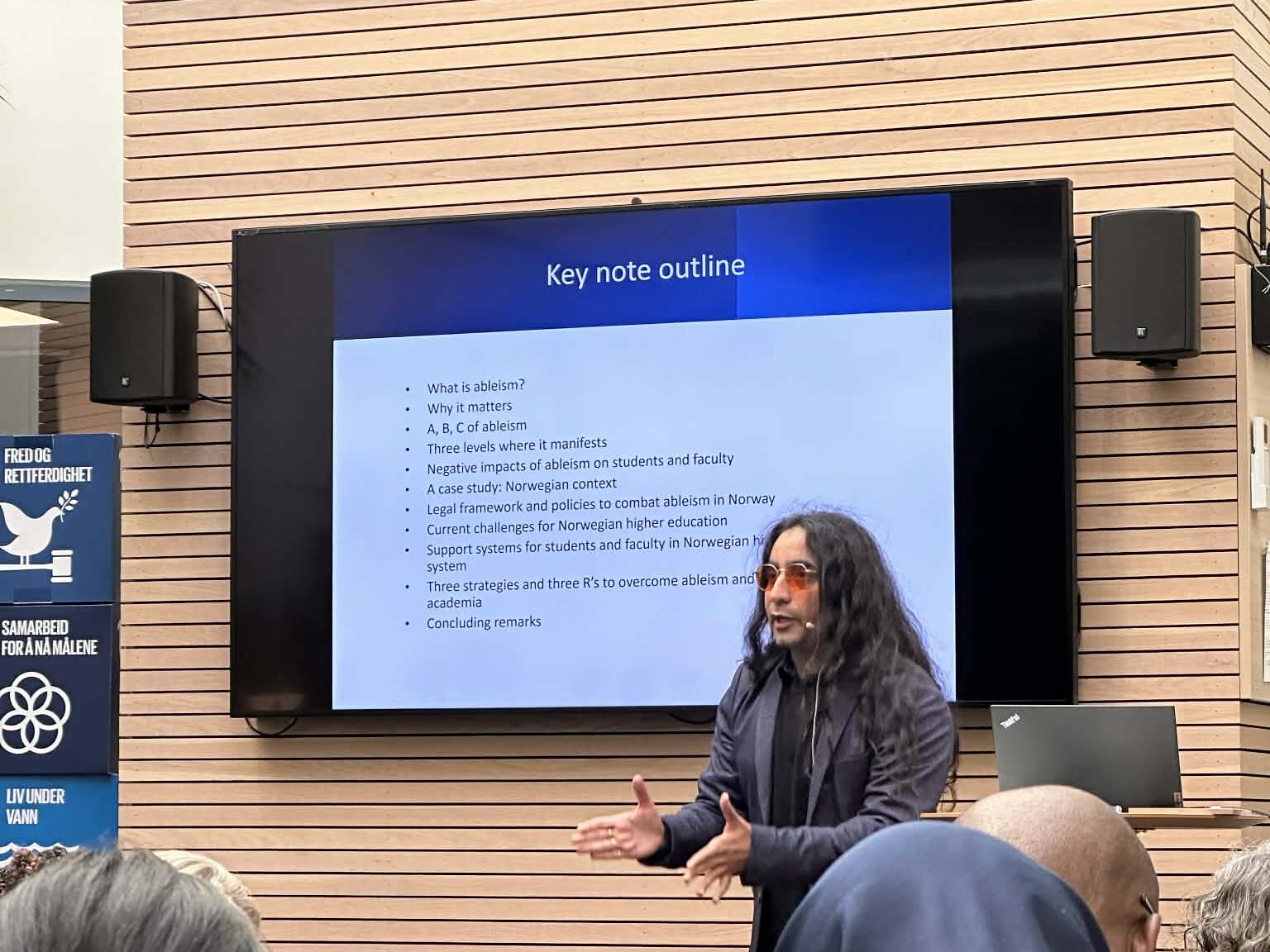
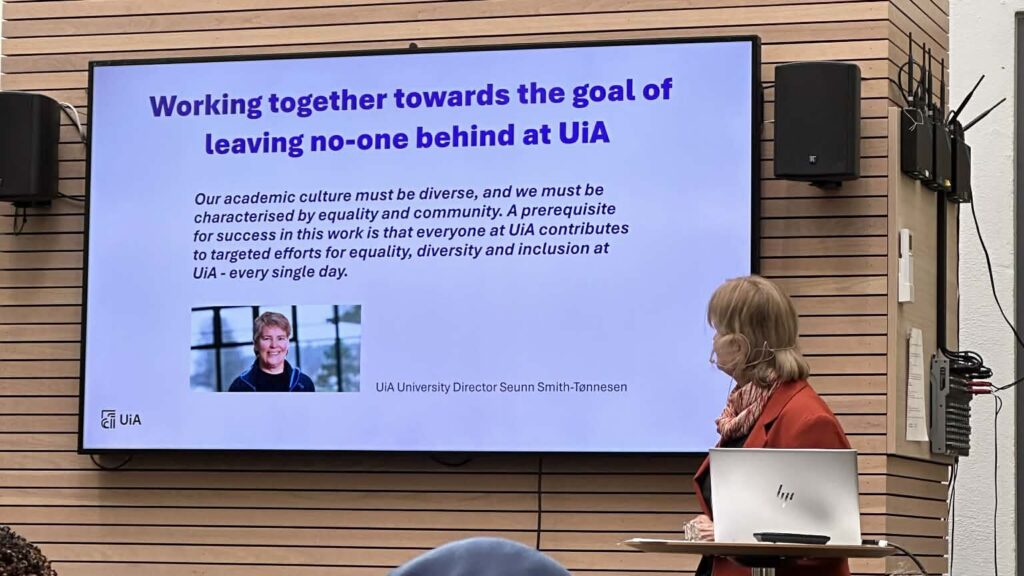
Academic institutions often proclaim commitments to diversity and inclusion, yet everyday cultures and practices can continue to privilege able-bodied norms and perfectionism. The Sustainable Development Agenda’s promise to “leave no one behind” places disability rights and inclusion at the heart of institutional responsibility. The GENDIG seminar held on the 15th of October 2024 in Kristiansand, Norway and part of the Gender and Digitalization project explored how higher education can move from rhetoric to practice so that access, belonging, and meaningful participation are real for all students and staff.

Seminar focus and questions

The one-day event at Bølgen Bærekraftssenter in Kristiansand addressed questions such as:

  • How should we define and understand “disability” and “inclusion” within the academy?
  • What practical steps are institutions taking to foster inclusion for students and staff?
  • What are the main challenges and opportunities, including cultural and religious dimensions, intersectionality, and whether issues are framed as individual problems versus societal responsibilities?
  • How can digitalization be leveraged as a tool for inclusion?

Speakers and programme

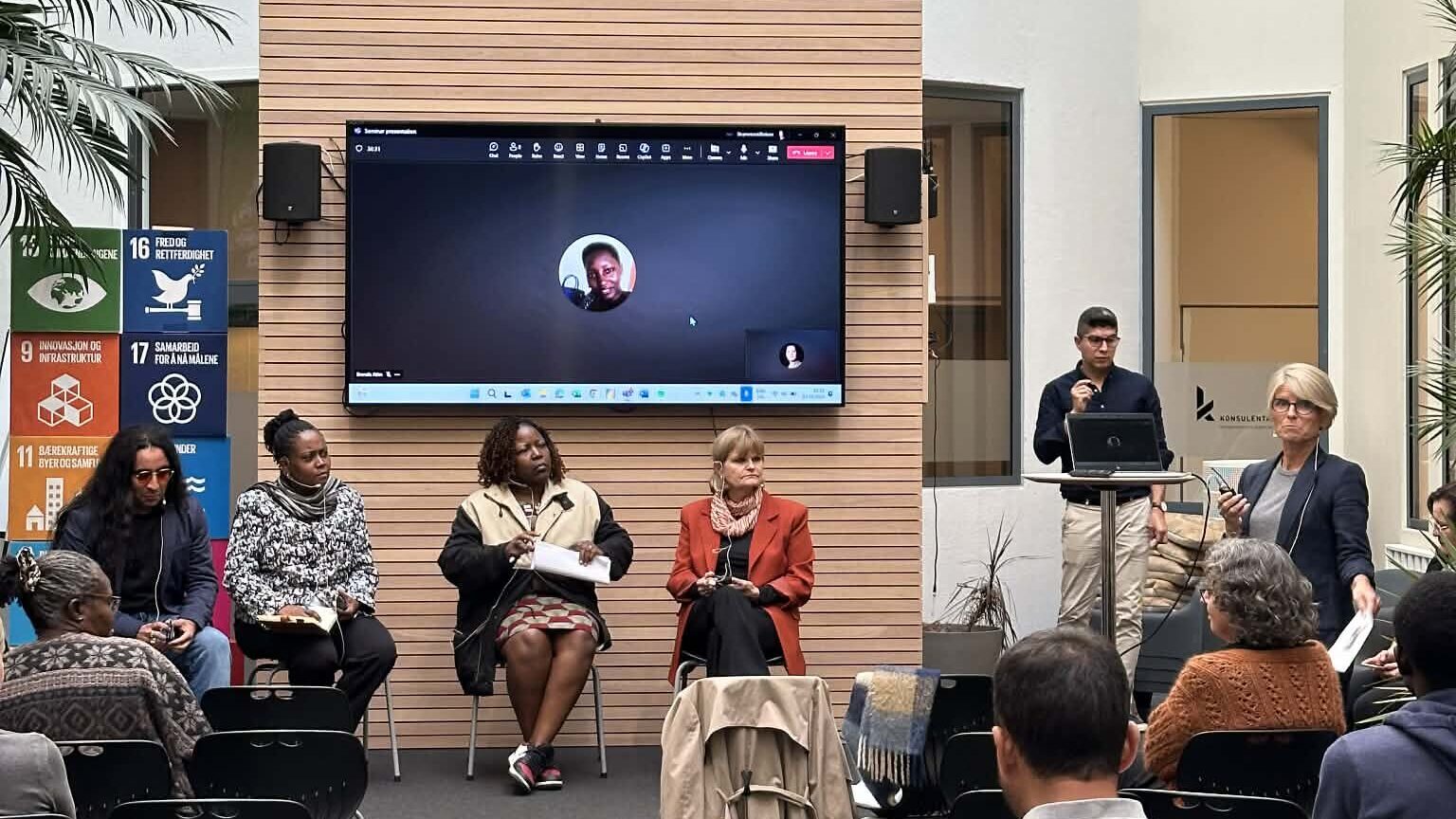
Associate Professor Gagan Chhabra (University of Inland Norway) delivered the keynote, offering a critical examination of ableism in higher education. Examples of challenges and inclusive practices from GENDIG partner universities were presented by Dr Ruth Nsibirano (Makerere University), Dr Lulu Mahai (UDSM), and Magret Kristin Dyrholm (senior advisor, UiA). Celeste De la Huerta from the Strømme Foundation Together spoke about teacher training and inclusive education in Uganda. The day concluded with a panel discussion chaired by Associate Professor Hanne Haaland. The workshop was well attended, including students from the Bachelor programme in Global Development and the Master’s programme in Global Development, Crisis and Change.

Key themes and takeaways

  • Context matters: cross-institutional learning is vital, but strategies that work in one country or institution often require adaptation to local cultural, legal, and economic realities.
  • Digitalization is double-edged: well-designed digital tools can remove barriers, but technology can reproduce exclusion when accessibility is an afterthought.
  • Move from reactive to proactive design: institutions should shift from individual accommodations toward universal design across curricula, assessments, and physical and digital spaces.
  • Mainstream disability and inclusion: these topics should be embedded throughout curricula and institutional policies, not confined to isolated trainings.
  • Involve lived experience: students and staff with lived experience of disability must participate in policy-making and design decisions.
  • Monitor and resource inclusion: develop metrics, accountability structures, and dedicated resources so inclusion is tracked, reported, and supported.
  • Invest in support: accessible digital platforms must be paired with training and technical support for staff and students.

Conclusion

The seminar highlighted that achieving meaningful inclusion in higher education requires sustained institutional commitment, thoughtful adaptation to local contexts, and the involvement of those with lived experience. Digitalization offers significant promise, but only when accessibility and inclusion are central to design and implementation. The GENDIG seminar provided a practical forum for exchanging ideas and reinforced the need for proactive, well-resourced strategies to ensure no one is left behind. The topic is highly relevant and with a need for continued research and focus on good practice.

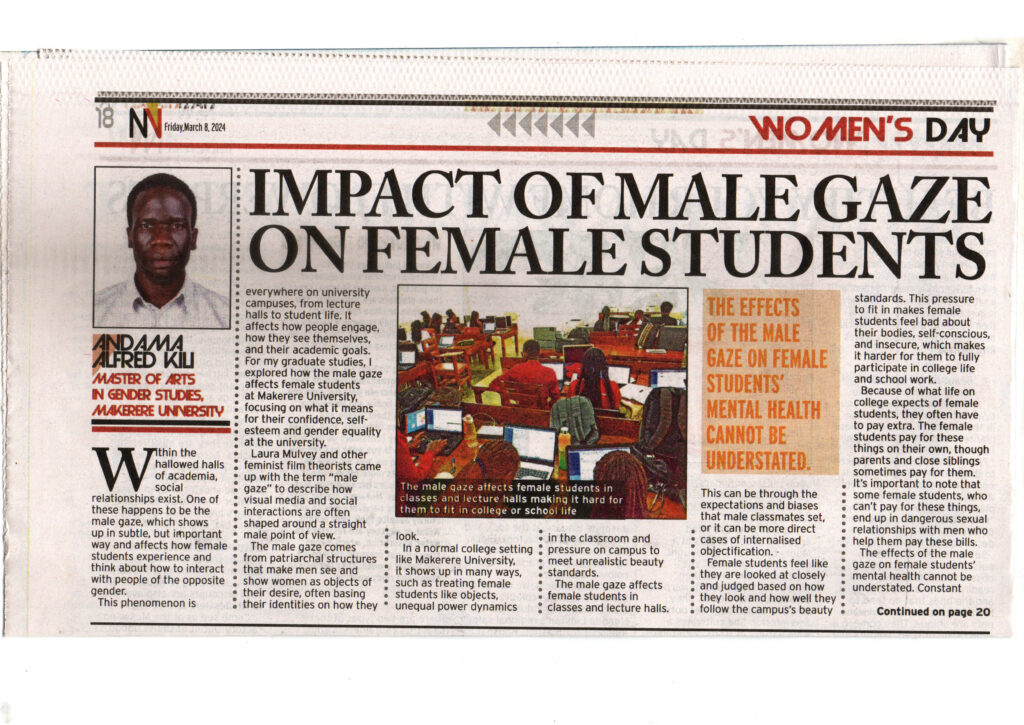
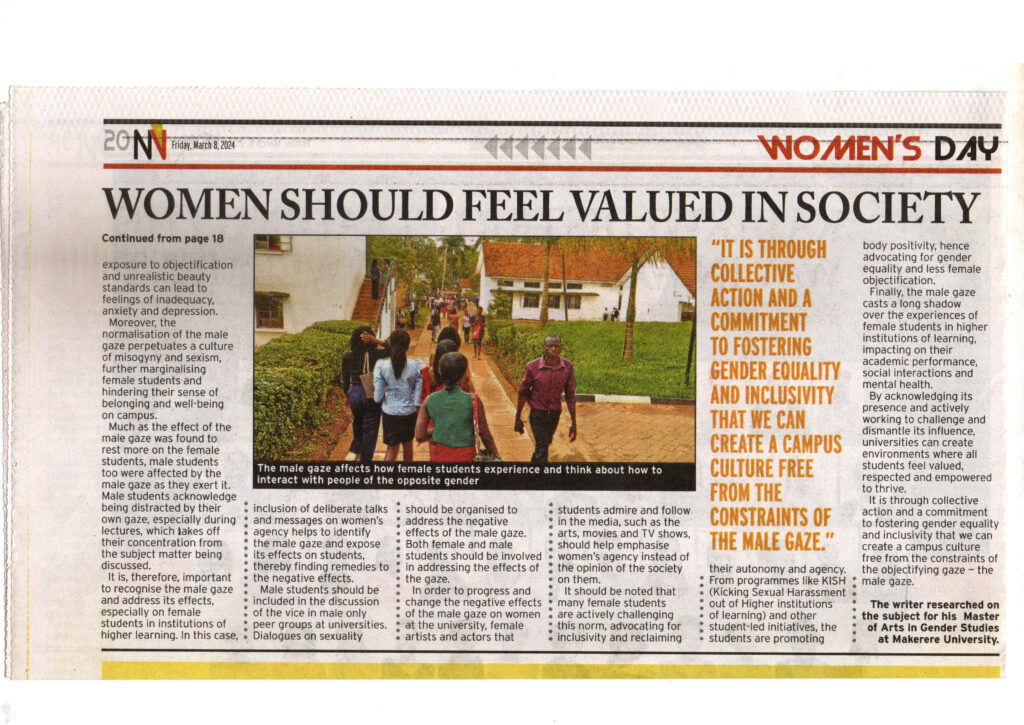
Breaking the Gaze: On Women’s Day, Andama Raises Awareness of the Negative Impact of the Male Gaze in Academia

On International Women’s Day, Alfred Andama, a master of arts in Gender Studies, made waves with a courageous article published in a Ugandan newspaper. He fearlessly delved into the heart of his research: the impact of the male gaze on intergender relations at Makerere University. Andama’s article serves as a powerful wake-up call, shedding light on the harmful consequences, particularly for female students.

Through his keen observation and inquiry, Andama uncovered the harsh realities of unequal power dynamics and unrealistic beauty standards prevailing within the university. These issues have led to concerning outcomes, including poor academic performance, dropout rates, and even detrimental effects on mental health among female students.

But Andama’s article goes beyond mere words on a page. It’s a clarion call for action. He challenges all stakeholders to take a stand and transform Makerere into a space where everyone, regardless of gender, can thrive. And on Women’s Day, his message resonates deeply, serving as a poignant reminder of the ongoing struggle for true equality.

Andama is a graduate  at the School of Women and Gender Studies at Makerere University and currently is part of the Gendig project. Additionally, he served as an exchange student at the University of Agder during the 2023 semester, where he presented his findings firsthand.

Exploring Gender Dynamics in Uganda: Insights from Makerere University Exchange Students

Juliana Koury Gaioso

In an ever-evolving world, gender studies have taken center stage, shedding light on the intricate web of gender roles and the unique challenges women face. Our academic journey recently led us to an enlightening exchange with two remarkable students, Fionah Agaba and Alfred Andama, hailing from Makerere University. They shared their in-depth research on gender-related issues in Uganda, offering a fresh perspective on gender dynamics.

Meet the Scholars: Fionah Agaba and Alfred Andama

Fionah Agaba and Alfred Andama, both recipients of prestigious scholarships, are master’s students at the School of Women and Gender Studies at Makerere University. For their exchange semester at the University of Agder, they joined the Master’s program in Development, Crisis, and Change. Alfred is on the cusp of completing his master’s degree, while Fionah is gearing up to embark on her data gathering journey. They graciously presented their thesis topics, “The Male Gaze” and “Conflicts in the Women’s Movement,” respectively, offering us invaluable insights into gender roles and activism in Uganda. (Read more about their experience in Kristiansand)

Decoding ‘The Male Gaze’ within Uganda’s Academic Landscape

Alfred’s research delves into the fascinating concept of “the male gaze” among university students. He dissects the interplay of power dynamics between female students, male students and lectures. Crediting from the influence of American pop culture to the profound impact on women, continuously subjected to objectification by heterosexual male desires. He also delved into religious texts, uncovering an earlier archetype of the female body as an object of male gaze.

In his research, Alfred finds that the male gaze tends to reduce women to one-dimensional objects of desire, perpetuating their objectification and leaving a lasting impact on female students. This impact often manifests as psychological pressure and body image concerns. In light of these findings, Alfred encourages open dialogues aimed at challenging traditional views on sexuality and fostering a transformative shift in mindset.

Power Dynamics Within Women’s Activist Movements in Uganda

Fionah’s research proposal is deeply personal, inspired by her own experiences. She courageously unveils the complex conflicts within Uganda’s women’s movement, challenging the conventional narrative of sisterhood. Her research, rooted in qualitative analysis, aims to unravel the power dynamics in various women’s organizations and the environments they offer their members. Focusing on the hierarchical structure within women’s movements can stifle the growth of younger activists and foster internal conflicts.

A Deeper Understanding of Gender Dynamics

The academic exchange culminated with engaging discussions and insightful feedback from the esteemed professors and PhDs present. It’s evident that these two scholars have paved the way for deeper conversations and actions to create a more inclusive and harmonious society. As we continue to explore gender dynamics in Uganda and beyond, Fionah and Alfred’s work serves as an inspiration to challenge conventions, foster dialogue, and effect positive change in the realm of gender studies and activism.

International Day of the Girl Child: Uniting for Women’s and Girls’ Empowerment 

Juliana Koury Gaioso

Prof. Arnhild Leer-Hegelsen (UiA/Gendig), Anne Breivik (Strømme Foundation), Knut Straume (The UN-Association), Anna Ninsiima (Makerere University), Spogmy Jabarkhil (The European Network of Migrant Women/the Afghan Women Organization) and Claudia Klostergaard (Centre for Gender and Equality, UiA)

In the heartwarming celebration of the International Day of the Girl Child (IDG) in Kristiansand, an event began with a shared bowl of soup, setting the stage for an inspiring evening dedicated to empowering women and girls worldwide. Led by Claudia Klostergaard of the Centre of Gender and Equality at UiA, the event commenced by honoring the strength and bravery of imprisoned Iranian activist Narges Mohammadi, a Nobel Peace Prize laureate. The arrangement was a collaborative effort involving the University of Agder, the Strømme Foundation, the European Network of Migrant Women, and the United Nations Association Agder.

The event brought together a diverse group of individuals and organizations, all united by a shared mission: addressing global challenges and championing the rights of women and girls. Participants from local and international backgrounds painted a vivid picture of the challenges we face, infused with hope and determination.

Sustainable Development Goals and Girls’ Rights 

Anne Breivik, Head of International Programs at the Strømme Foundation, set the tone for the event by emphasizing the organization’s dedication to eradicating poverty, creating educational and employment opportunities, and advocating for the rights of girls. The Strømme Foundation’s unique approach actively engages boys and men in reshaping societal norms and mindsets to promote gender equality.  


GENDIG: A Global Perspective

Representing Gendig at the event were Arnhild Leer-Helgesen, an associate professor at the Department of Global Development and Planning at UiA, and Anna B. Ninsiima, a Post-Doc Scholar and Lecturer at the School of Women and Gender Studies at Makerere University in Uganda. Arnhild shed light on the global challenges facing gender equality, sparking a thought-provoking discussion on the global pressures on women’s rights and the role of religion in this ongoing struggle. 

Anna emphasized the crucial role of nurturing environments in enabling gender equality. She passionately expressed, “To achieve equality, we can not only target girls, but we also have to ensure strong institutions and a supportive environment, so they can thrive.” Using compelling examples, she illustrated how institutions and the environment can either boost or hinder girls’ empowerment.


A Journey of Resilience and Hope 

The event also welcomed Spogmy Jabarkhil, a board member of the European Network of Migrant Women and director of the Afghan Women Organization. Spogmy shared her remarkable journey from Afghanistan, where women faced oppression, to Norway, where she found herself in a place she considered heaven, with greater freedom for women. She is unwavering in her mission to use her experience and knowledge to empower girls in her homeland, emphasizing the importance of having boys and men as allies rather than adversaries.  

Boys and Men as allies

Likewise, closing the event, Knut Straume, an advisor at the United Nations Association Agder, concluded the event by emphasizing the importance of allies in the struggle for equality. 


About IDG 

 IDG provides a global platform for advocating the rights of girls. Confronting movements and actions around the world that threaten the progress made toward gender equality and disproportionately impact girls, it is vital that we rally for their rights. From maternal healthcare and support for adolescent mothers to digital and life skills training, comprehensive sexuality education, survivor support services, and violence prevention programs, there is an urgent need for increased attention and resources in these crucial areas to empower girls to realize their rights and reach their full potential. 

To read more:  

The UN – Girls Child Day

The Event

Strømme Foundation

Gendig at Makerere University: How It All Began

Ruth Nsibirano and Juliana Koury Gaioso

The remarkable journey of Gender and digitalisation across context (Gendig) at Makerere University

One of the key interventions of the GENDIG project is to digitalise courses at the Masters programme in Gender Studies at Makerere University, with the aim of enhancing access, increasing timely completion and eliminating attrition/ drop-outs for admitted graduate students. Here, we delve into the intriguing story of how digitalization unfolded, highlighting the significant steps and key individuals who paved the way for this transformative project.

Digitalization is not a mere transfer of life into the digital realm; it entails a complex process involving numerous offline elements and the collaborative efforts of many individuals. At Makerere University, the journey towards digitalization commenced with essential factors such as institutional partnerships flagged off with the signing of a contract between Makerere University and NOARD, political support and project launch at a colorful inception meeting, hardware acquisition, and comprehensive training.

In late 2021, the seeds of this groundbreaking initiative were sown, bringing together a dedicated team of visionaries. Noteworthy figures involved in the project’s inception included Professor Buyinza Mukadasi, the esteemed Director of Graduate School at that time. Alongside him, Professor Josephine Ahikire, the respected Principal of CHUSS (College of Humanities and Social Sciences), and Associate Professor Sarah Ssali, the accomplished Dean of the School of Women and Gender Studies, attended the project launch and gave their remarks at the inception meeting, together with Dr. Ruth Nsibirano the Project PI.

The Gender and Digitisation project garnered essential resources to propel its mission forward. Project equipment, including six cutting-edge laptop computers, a state-of-the-art projector, and a high-quality scanner, were procured. These technological tools were specifically chosen to empower the team in their pursuit of project goals and to facilitate seamless execution.

Monica Nabukalu, Project Administrator and Simon Mabonga, Project Accountant pose with the laptop computers received
 Ruth Nsibirano, PI and Joseph Watuleke Project member hand over computer to Simon

The journey of Gendig at Makerere University is a promising testament to the transformative power of digitalization. Stay tuned as we explore further milestones and achievements in this groundbreaking project.

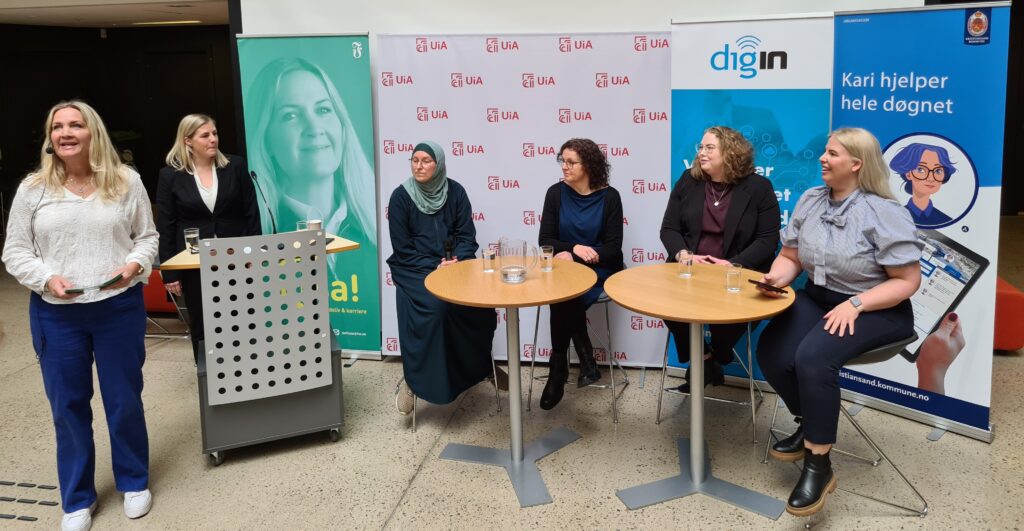
Gendig in a panel debate during the Democracy Week in Kristiansand:  Digitalisation and technology from an equality perspective 

Juliana Koury Gaioso 

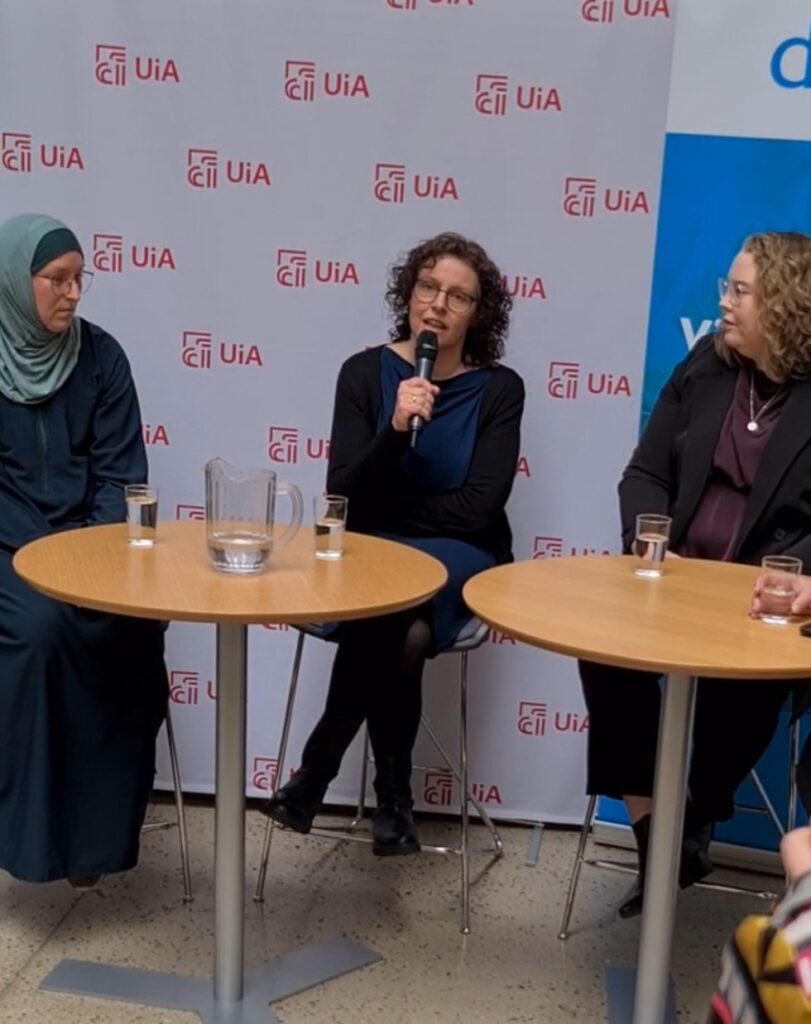
Brigitte Klækken, Silje Dagsvik Eskedal, associate professor Heidi Esma Dahl Bønnhoff, associate professor Arnhild Leer-Helgesen, Ph.D. candidate Rebekka Olsson Omslandseter and Cathrine Vikebakk Stien.

During Democracy Week in Kristiansand, Arnhild Leer-Helgesen, associate professor at Global Development and Planning at UiA and head of the Gendig project, participated in a panel debate on Digitalisation and Technology from an Equality Perspective. She brought a critical view on the structural issues involving the digitalisation of the world, asking who is out and who gains. On her side, Heidi Esma Dahl Bønnhoff, associate professor in the Department of Sociology and Social Work at UiA, pointed out the effects of technology illiteracy on a personal level and how it affects the socialization of women with an immigration background in Norway. Compounding the panel, Rebekka Olsson Omslandseter, Ph.D. Research Fellow from the Department of Information and Communication Technology at UiA brought to the debate the lack of women representatives in technological advances.  

Brigitte Klækken, known from the “Det ho sa” podcast, led the panel and asked Arnhild to clarify the structural issues involving women and digitalisation. She explained, “The Universities in Uganda and Tanzania (Makerere University and University of Dar Es Salaam) approached UiA with a wish to digitalise the master’s degree, which is seen and understood as the future to include more students in education. But the problem is that many women do not have access to a mobile telephone or PC. If they have, internet connection can be poor and unstable, in addition, it is very expensive. So digitalisation does not lead to more equality if we do not adress root causes of economic and social inequalities. Then rural women in Eastern Africa will still be the last to benefit from technological advances. We therefore need to do much more that digitalization to include women in for example higher education”. The GENDIG project, financed by Norad, supports digitalization of Gender Studies, but also research that looks into the effects in terms of inclusion.  

Inspiration for the panel/debate: 

In times of heated cyberactivism, artificial intelligence and social media control, little is focused on global access to the internet and technology. Women are the majority outside this arena, with 37% without access to the digital world. This scenario raises debate due to its personal, structural and technological impact. To discuss this global scenario, Digin, a Norwegian ICT cluster, Kristiansand Municipality, and the University of Agder organized a panel conversation on the 8th of May in the Kristiansand City Hall. The debate was inspired by the UN topic for international women’s Day, DigitALL Innovation and Technology for Gender Equality. 

More info: UN Women Democracy Week

In the media

Arnhild Leer-Helgesen was interviewed by NRK Sørlandet on gender equality, related to the October 10th seminar. The interview is in Norwegian and can be found here.

The University also published the news article “Global backlash against gender equality”.

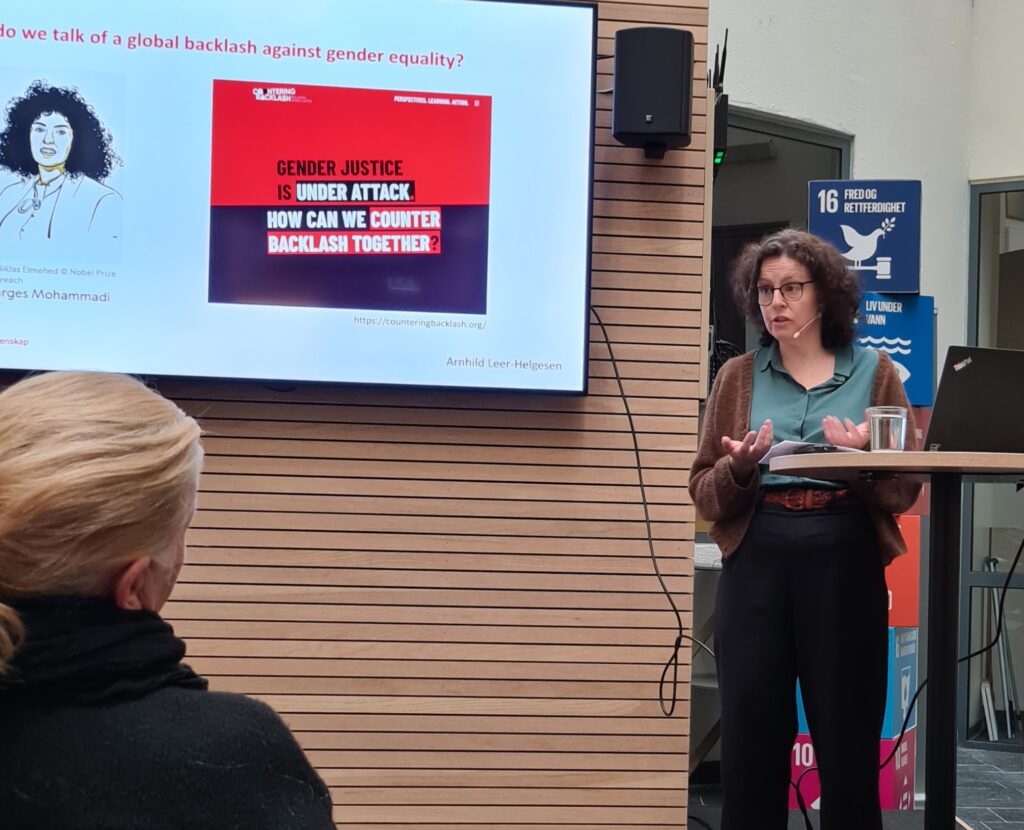
On October 10th, 2022, we gathered around 90 attendants – some physically present, other digitally – in the seminar “The global backlash against gender equality: A challenge to international development cooperation and research?” at Bølgen bærekraftsenter in Kristiansand.

The seminar was hosted by The Department of Global Development and Planning at The Faculty of Social Sciences, UiA, NFU – Norwegian Association For Development Research and The Strømme Foundation.

The seminar was recorded, and can be watched here.

Following lectures were given:

  • “Introducing the global backlash against gender equality”, Arnhild Leer-Helgesen (UiA/NFU)
  • “A knowledge-based development cooperation: Whose perspectives counts in the Norwegian strategy for gender equality?”, Kari Marie Thorsen, Senior advisor, Section for Gender Equality, NORAD
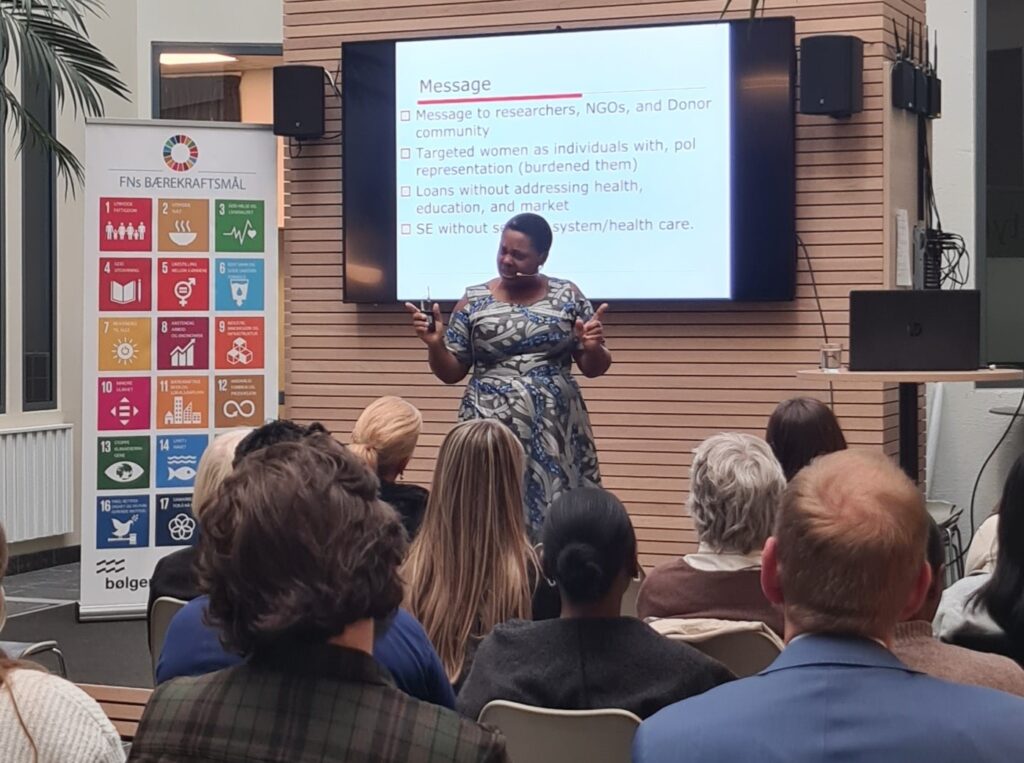
  • “The role of universities in Knowledge Production to address the Backlash on Gender Equality for enhanced cooperation and International development”, Ruth Nsibirano, Lecturer and Post graduate coordinator at the School of Women and Gender Studies, Makerere University
  • “Promoting gender equality and women’s empowerment in international development– experiences from the field”, Celeste De La Huerta, Senior advisor, Strømme Foundation
  • “Teaching gender and diversity in a cross-cultural online classroom”, Hanne Haaland, Assciate professor at the Department for Global Development and Planning, UiA.